By Rod Trujillo, Commercial Real Estate Broker
Commercial real estate markets are constantly changing. Interest rates, business growth, consumer behavior, new development, tourism, financing conditions, and the local economy can all influence the decisions buyers, sellers, investors, landlords, and tenants make.
But understanding a commercial real estate market isn’t simply about watching statistics.
It’s about understanding what is driving demand, how different property types behave, and how those conditions affect your individual real estate decisions.
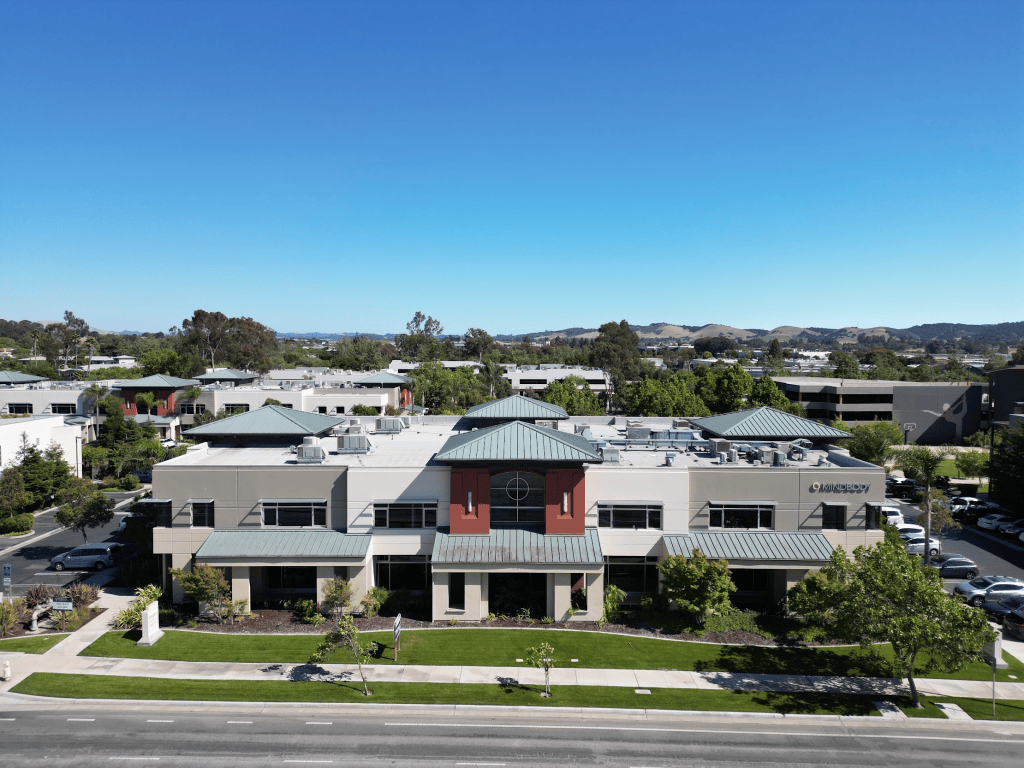
San Luis Obispo County is particularly interesting because there isn’t one single commercial real estate market. San Luis Obispo, Paso Robles, Atascadero, Arroyo Grande, Pismo Beach, Grover Beach, Morro Bay, Nipomo, and the county’s other communities each have their own business environments, property inventories, and economic influences.
Whether you’re considering leasing space for your business, purchasing a building, selling commercial property, or evaluating an investment opportunity, understanding these local dynamics can help you make a more informed decision.
This guide explores some of the major factors that shape commercial real estate throughout San Luis Obispo County and what business owners and investors should consider when evaluating the market.
In This Guide
- In This Guide
- What Makes the San Luis Obispo County Commercial Real Estate Market Different?
- Retail Real Estate Trends
- Office Market Trends
- Industrial Real Estate Trends
- Commercial Investment Property
- Why Location Matters Within San Luis Obispo County
- Factors That Influence Commercial Real Estate
- What Buyers Should Consider
- What Sellers Should Consider
- What Tenants Should Consider
- What Landlords Should Consider
- Should You Wait for the Market to Change?
- Frequently Asked Questions
- The Bigger Picture
- Continue Exploring the Resource Center
- About Rod Trujillo
- Have a Commercial Real Estate Question?
What Makes the San Luis Obispo County Commercial Real Estate Market Different?
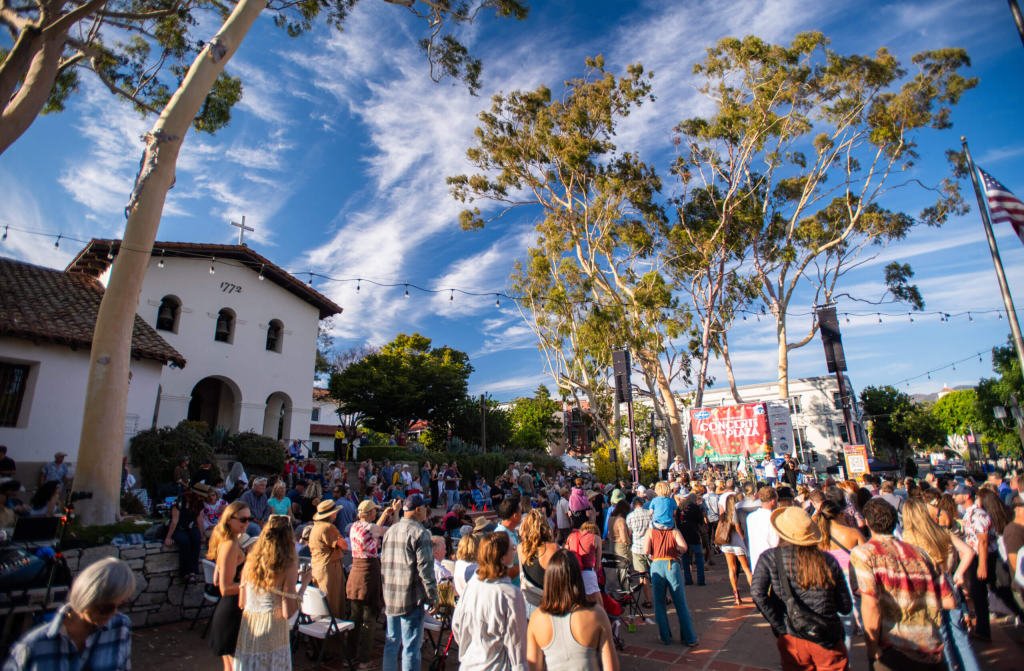
Commercial real estate is fundamentally local.
National headlines about interest rates, office vacancies, retail closures, or investment activity can provide useful context, but they don’t always tell you what’s happening in an individual community.
San Luis Obispo County has a diverse economy influenced by industries including agriculture, wine, tourism, hospitality, healthcare, education, construction, manufacturing, professional services, technology, and locally owned businesses.
That creates demand for many different types of commercial property.
A winery or agricultural business in North County may have completely different real estate requirements than a professional office user in San Luis Obispo.
A retailer in Downtown Paso Robles may prioritize visibility and visitor traffic, while an industrial user in Atascadero may care more about loading access, power, yard space, and transportation connections.
A restaurant in Pismo Beach may depend heavily on tourism and pedestrian activity, while a service business may prioritize convenient parking and access for local customers.
That’s why commercial real estate decisions should be evaluated at both the county level and the neighborhood level.
Retail Real Estate Trends
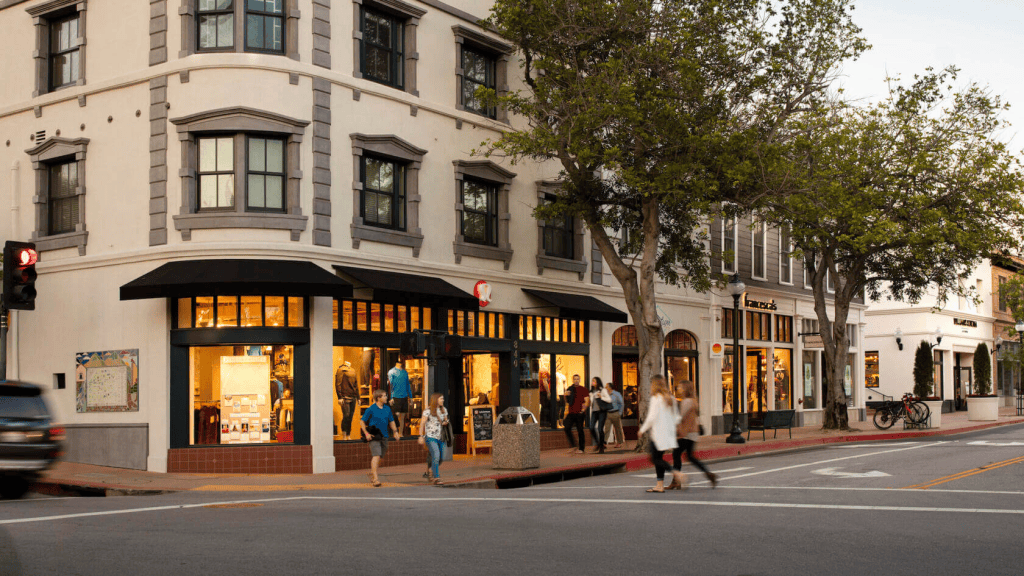
Retail real estate has changed significantly over the years, but physical location continues to matter.
Consumers may shop online more frequently, but restaurants, personal services, fitness concepts, specialty retailers, entertainment businesses, medical services, and experience-driven businesses still depend heavily on physical locations.
For retail tenants, the quality of the location can be just as important as the space itself.
Important factors include:
- Visibility
- Traffic
- Parking
- Accessibility
- Signage
- Neighboring businesses
- Customer demographics
- Pedestrian activity
- Tourism
- Surrounding development
Tenant Mix Matters
One of the most important characteristics of a successful shopping center or retail district is its tenant mix.
Businesses can benefit from being located near complementary uses.
A coffee shop may benefit from nearby offices and retailers. A fitness studio may benefit from neighboring health-oriented businesses. Restaurants may perform well in areas where several dining and entertainment concepts create a destination.
The strongest retail locations often provide customers with multiple reasons to visit the area.
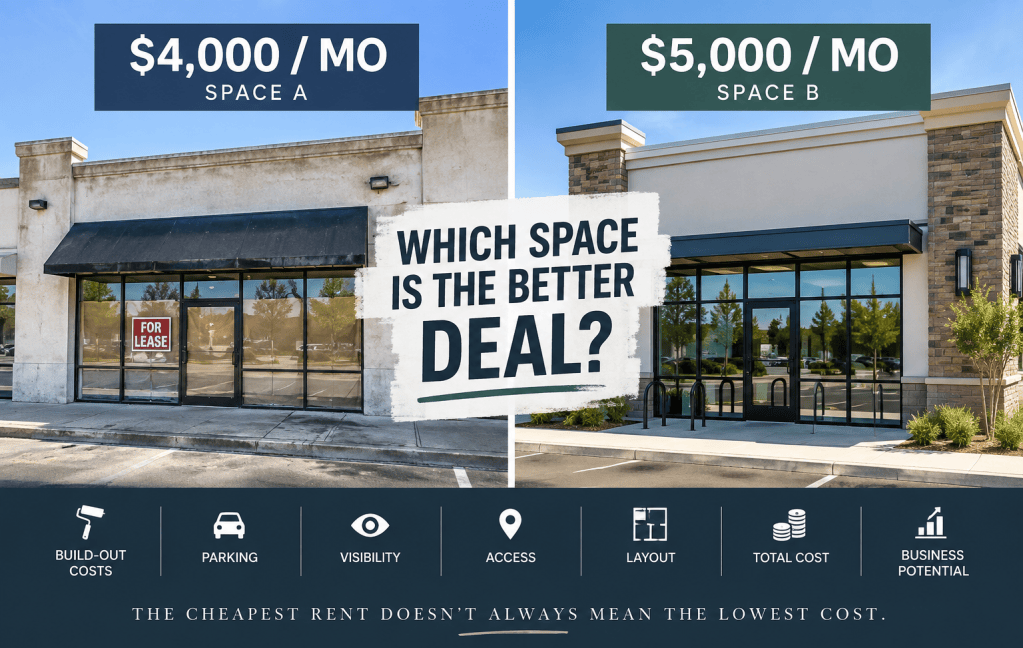
The Cheapest Retail Space Isn’t Always the Best Value
Business owners sometimes focus heavily on the advertised rental rate when comparing locations.
But a less expensive space with limited visibility, difficult parking, poor access, or insufficient customer traffic may ultimately cost the business more than a stronger location with a higher rent.
The better question is:
Does this location support the way my business attracts and serves customers?
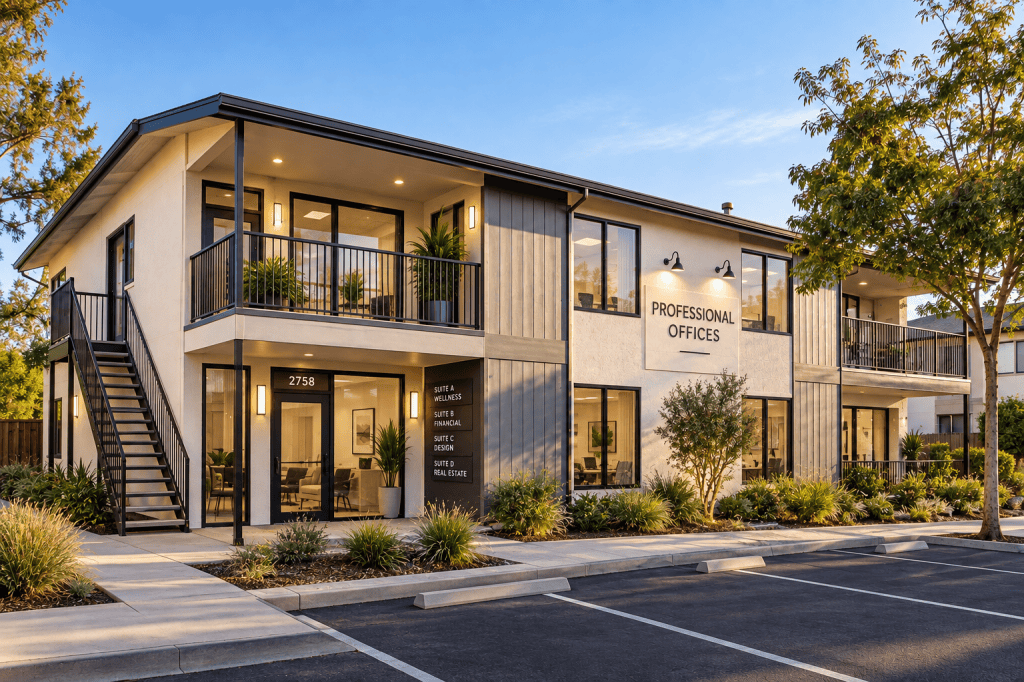
Office Market Trends
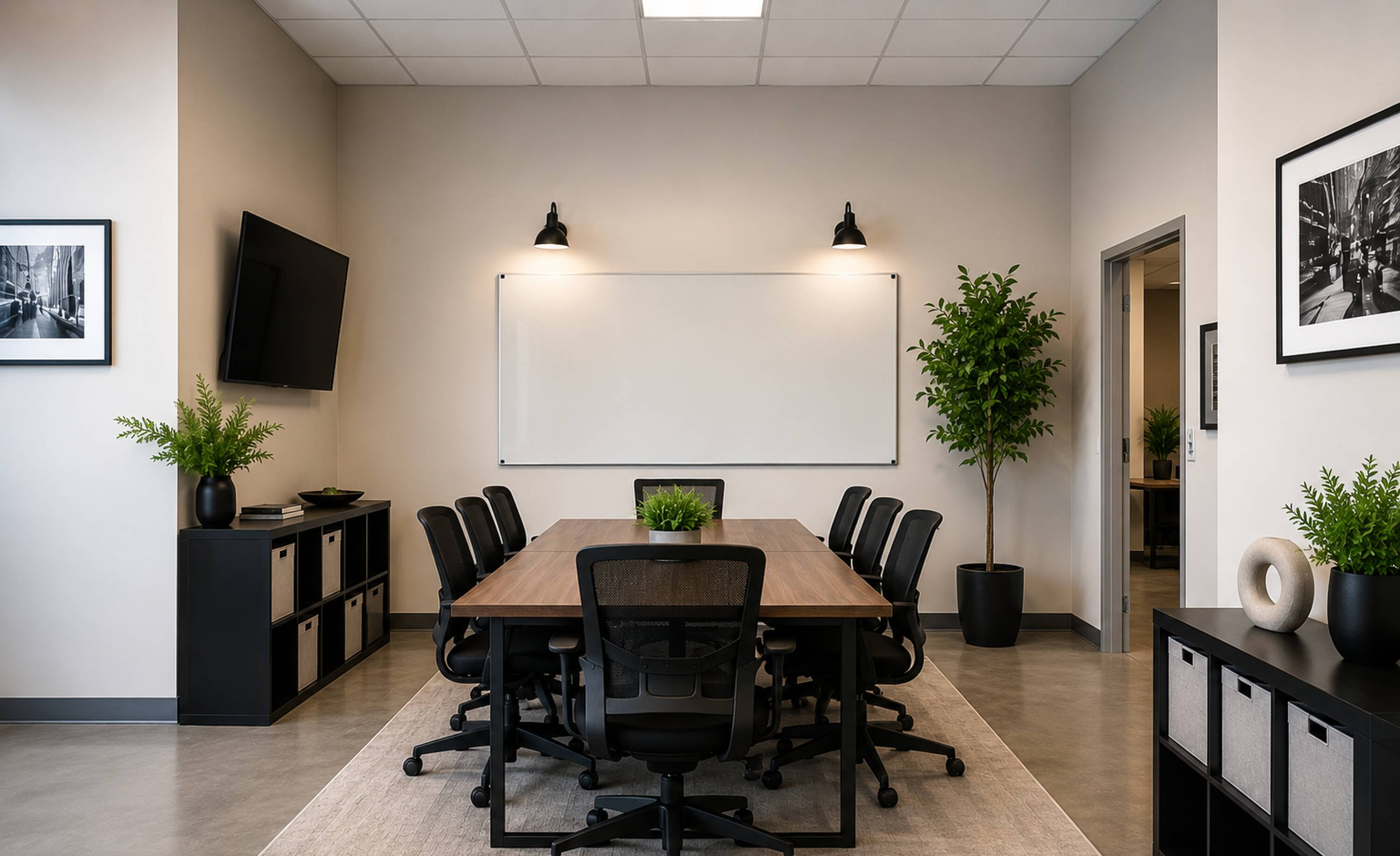
The way businesses use office space continues to evolve.
Remote and hybrid work have changed how some companies think about square footage, but professional office space remains important for many industries.
Businesses often seek offices that provide:
- Convenient parking
- Professional appearance
- Meeting areas
- Efficient layouts
- Reliable technology infrastructure
- Accessibility
- Proximity to clients
- Flexibility for future growth
Rather than simply looking for the largest office they can afford, many businesses are focusing on efficient space that supports how their teams actually work.
For some companies, that means smaller offices with better meeting and collaboration areas. For others, maintaining a professional physical location remains an important part of serving clients and building credibility.
Industrial Real Estate Trends
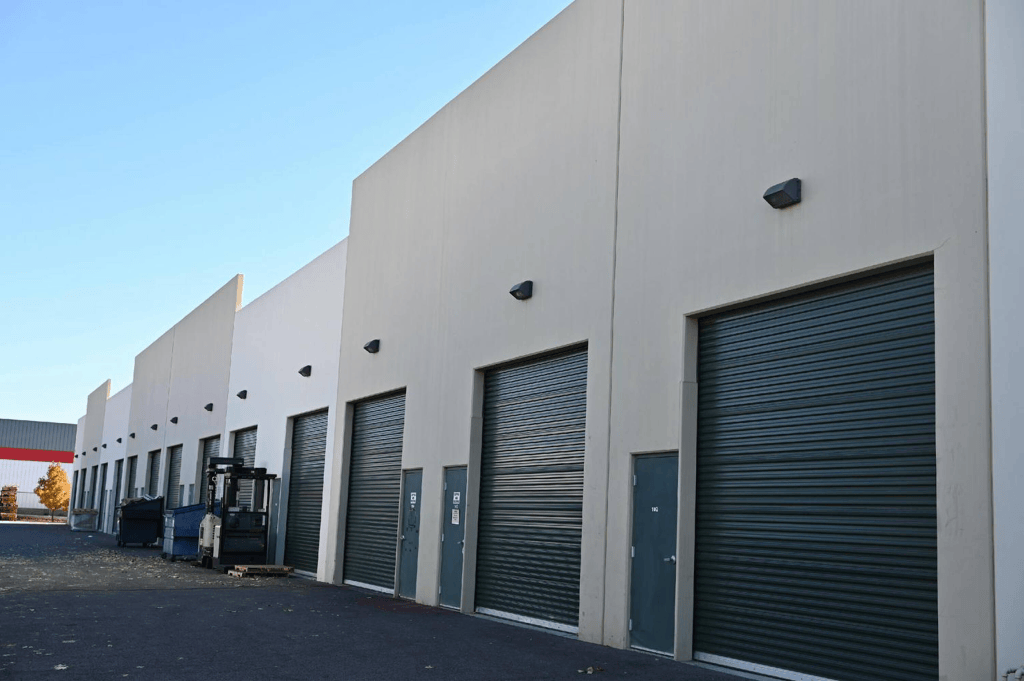
Industrial real estate plays an important role throughout San Luis Obispo County.
Manufacturing, agriculture, wine production, construction, distribution, automotive businesses, contractors, storage users, and service companies all require functional industrial space.
Unlike retail properties, industrial users may care less about storefront appearance and more about whether the property works operationally.
Important considerations can include:
- Loading access
- Roll-up doors
- Ceiling height
- Yard space
- Electrical capacity
- Parking
- Truck circulation
- Warehouse configuration
- Ventilation
- Zoning
- Proximity to major transportation routes
Functionality Comes First
A beautiful industrial building isn’t necessarily useful if trucks cannot access it or the electrical service doesn’t support the tenant’s equipment.
Industrial users should evaluate a property based on how efficiently the business can operate within it.
Commercial Investment Property
Commercial real estate can provide investors with income, potential appreciation, and portfolio diversification, but purchasing an investment property requires more than deciding whether the asking price seems attractive.
Investors should evaluate the underlying performance of the asset.
Important considerations include:
- Net Operating Income (NOI)
- Lease terms
- Tenant quality
- Remaining lease duration
- Occupancy history
- Operating expenses
- Deferred maintenance
- Future capital improvements
- Location
- Replacement cost
- Potential future demand
- Financing
Look Beyond the Building
When purchasing an occupied commercial investment property, you’re not simply purchasing real estate.
You’re also purchasing an income stream created by leases.
A well-maintained property with weak leases may present a very different investment profile than a similar building with strong tenants and long-term leases.
Understanding both the real estate and the income behind it is essential.
Why Location Matters Within San Luis Obispo County
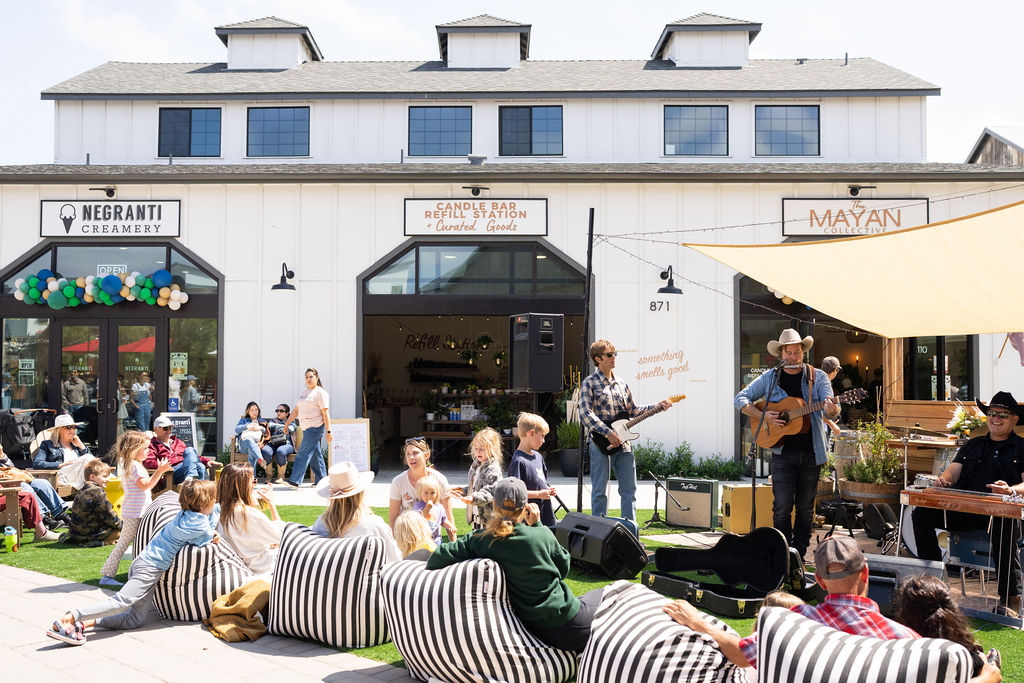
San Luis Obispo County shouldn’t be viewed as one uniform commercial market.
Each community serves different businesses, customers, industries, and lifestyles.
San Luis Obispo
San Luis Obispo serves as an important employment, education, healthcare, retail, and professional-services center for the county.
Businesses evaluating locations here may consider customer access, parking, visibility, proximity to Cal Poly, surrounding neighborhoods, and the differences between downtown and other commercial districts.
Paso Robles
Paso Robles combines a strong local business community with tourism, hospitality, agriculture, and the wine industry.
Downtown properties can benefit from visitor activity, while other parts of Paso Robles provide opportunities for service, office, retail, and industrial users.
Atascadero
Atascadero’s central North County location can be attractive to businesses serving customers throughout the region.
Commercial opportunities range from downtown retail and service businesses to office and industrial uses.
Arroyo Grande, Grover Beach and Nipomo
South County serves a growing residential population along with tourism, healthcare, retail, professional services, restaurants, and local businesses.
Accessibility, parking, nearby residential development, and customer demographics can be particularly important when evaluating locations.
Pismo Beach
Tourism and hospitality strongly influence many commercial properties in Pismo Beach.
Restaurants, retail businesses, hotels, entertainment concepts, and visitor-oriented businesses may place significant value on pedestrian activity, visibility, and proximity to tourism destinations.
Morro Bay
Morro Bay’s waterfront, tourism economy, local residents, and small-business community create a distinct commercial environment.
As with other coastal communities, the specific location and surrounding customer activity can make a substantial difference.
Factors That Influence Commercial Real Estate
Commercial real estate doesn’t operate independently of the broader economy.
Several factors can influence property values, leasing activity, and investment decisions.
Interest Rates
Interest rates influence the cost of borrowing.
Higher financing costs can affect how much buyers are willing or able to pay, while changes in financing conditions can also influence investment returns and development activity.
But interest rates are only one part of a commercial real estate decision.
Business Growth
When businesses expand, they often need more space.
That can create demand for office, retail, industrial, and service-oriented properties.
Conversely, changes within particular industries can reduce demand for certain types of space.
Population and Demographics
Where people live, work, shop, and spend money influences commercial real estate.
Population changes can affect demand for:
- Restaurants
- Healthcare
- Retail
- Professional services
- Fitness
- Childcare
- Entertainment
- Other neighborhood businesses
Tourism
Tourism is particularly important to parts of San Luis Obispo County.
Visitors support hotels, restaurants, tasting rooms, retailers, entertainment venues, and other businesses throughout the Central Coast.
New Development
New residential and commercial development can change traffic patterns, customer concentrations, competition, and future demand.
Business owners and investors should pay attention not only to what exists today but also to what is being planned around a property.
Property Supply
Commercial real estate cannot always respond quickly to increased demand.
Zoning, construction costs, land availability, permitting, and development timelines can limit how quickly new inventory reaches the market.
That makes existing well-located properties particularly important in some areas.
What Buyers Should Consider
Trying to perfectly time a commercial real estate market can be difficult.
Instead, buyers should focus on whether a particular property makes sense for their goals.
Consider:
- Why are you buying?
- Will you occupy the property or lease it to tenants?
- Does the location support your long-term strategy?
- What improvements will be required?
- What are the financing costs?
- Is the property appropriately zoned?
- What are the operating expenses?
- What could affect future value or demand?
- How long do you expect to own it?
A good commercial real estate decision should make sense based on the property itself—not simply because someone believes the market will rise or fall.
What Sellers Should Consider
Sellers should understand how buyers are likely to evaluate their property.
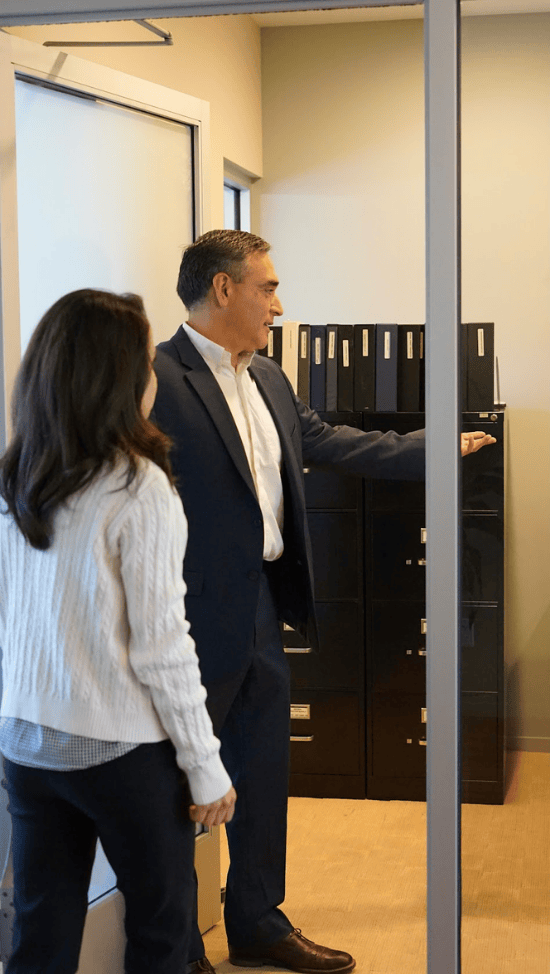
Before bringing a commercial property to market, consider organizing:
- Current leases
- Rent rolls
- Operating expenses
- Property improvements
- Maintenance records
- Utility information
- Plans and permits when available
- Tenant information
- Other relevant property documentation
Addressing obvious deferred maintenance and presenting organized financial information can make it easier for buyers to evaluate the opportunity.
The easier a property is to understand, the easier it may be for a qualified buyer to make a decision.
What Tenants Should Consider
Tenants should avoid evaluating commercial space based solely on asking rent.
The true cost and value of a location can depend on:
- Base rent
- NNN or CAM expenses
- Utilities
- Tenant improvements
- Parking
- Signage
- Maintenance responsibilities
- Location
- Customer access
- Lease term
- Renewal options
- Future growth
The goal isn’t simply to find available space.
It’s to find a space that supports the business.
For a step-by-step explanation of the leasing process, read How to Lease Commercial Space in San Luis Obispo County.
What Landlords Should Consider
Landlords compete for quality tenants.
Keeping a property attractive and functional can help it remain competitive.
Consider:
- Curb appeal
- Signage
- Landscaping
- Lighting
- Parking
- Building maintenance
- Tenant communication
- Competitive lease terms
- Marketing quality
- Responsiveness to inquiries
Retaining a strong tenant can sometimes be more valuable than constantly searching for a replacement.
Understanding the needs of existing tenants should therefore be part of a long-term ownership strategy.
Should You Wait for the Market to Change?
This is one of the most common questions in real estate.
Should you wait for interest rates to change?
Should you wait for prices to come down?
Should you wait for rents to change?
There is rarely a perfect market.
Waiting can sometimes make sense, but attempting to predict exactly what the market will do next can also cause businesses and investors to miss opportunities that already fit their goals.
Instead, consider the opportunity in front of you.
Ask:
Does the location work?
Do the numbers make sense?
Does the financing fit my situation?
Does the property support my business or investment strategy?
Am I comfortable with the risks?
Market conditions matter.
But they are only one part of the decision.
Frequently Asked Questions
Is commercial real estate in San Luis Obispo County a good investment?
Commercial real estate can be an attractive investment, but no property should be considered a good investment simply because of its location. Investors should evaluate income, expenses, tenants, leases, property condition, financing, future capital needs, and their own investment objectives.
Which type of commercial property is best?
There isn’t one property type that is always best.
Retail, office, industrial, mixed-use, and other commercial properties have different risk profiles and demand drivers.
The appropriate property depends on your goals, experience, financing, and investment strategy.
Is now a good time to buy commercial real estate?
That depends on the individual opportunity and buyer.
Rather than trying to identify a universally “good” or “bad” time, evaluate whether the property, financing, cash flow, location, and long-term strategy make sense for your situation.
What determines commercial property value?
Commercial property values can be influenced by location, income, leases, tenant quality, property condition, market demand, zoning, replacement cost, financing conditions, and comparable transactions.
Income-producing properties are often evaluated heavily on their ability to generate sustainable income.
What makes a good commercial location?
A good location depends on the business.
Retailers may prioritize visibility and customer traffic. Office users may prioritize accessibility and parking. Industrial businesses may prioritize loading, power, and transportation access.
There is no universally perfect commercial location.
There is a right location for a particular use.
How often does the commercial real estate market change?
Commercial markets are continually evolving, although major changes don’t necessarily happen overnight.
Interest rates, new development, business openings and closures, lease expirations, economic conditions, and investment activity can gradually change supply and demand.
The Bigger Picture
Commercial real estate markets will always change.
Interest rates will move. Businesses will expand and contract. New developments will be built. Consumer behavior will evolve.
But the fundamentals of making a thoughtful commercial real estate decision remain remarkably consistent.
Understand the property.
Understand the location.
Understand the numbers.
Understand the lease.
And most importantly, understand how the real estate fits into your long-term goals.
That’s far more useful than trying to predict every short-term movement in the market.
Continue Exploring the Resource Center
If you’re researching commercial real estate in San Luis Obispo County, continue with:
The Complete Guide to Commercial Real Estate in San Luis Obispo County
How to Lease Commercial Space in San Luis Obispo County: A Step-by-Step Guide
Coming soon:
Understanding Triple Net (NNN) Leases
Should You Lease or Buy Commercial Property?
Understanding Cap Rates
How to Analyze a Commercial Investment Property
About Rod Trujillo
Rod Trujillo has more than 25 years of commercial real estate experience helping businesses, investors, landlords, and property owners throughout San Luis Obispo County and California’s Central Coast.
Through the San Luis Obispo Commercial Real Estate Resource Center, Rod shares practical information designed to help business owners and investors better understand commercial real estate and make informed decisions.
Have a Commercial Real Estate Question?
Whether you’re considering leasing, buying, selling, or investing in commercial real estate, every situation is different.
If you’d like to discuss a property or commercial real estate opportunity in San Luis Obispo County, contact Rod Trujillo to start a conversation.