By Rod Trujillo | Trujillo Commercial Real Estate Group
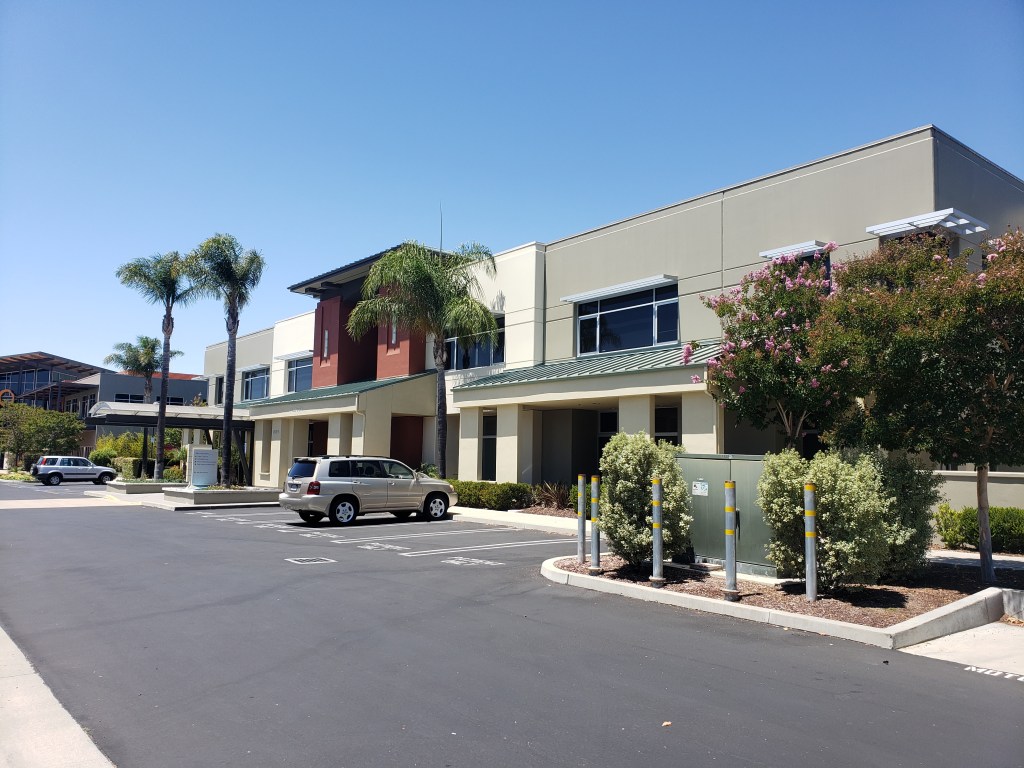
Imagine you own a commercial property.
The building is in a good location. Your tenants have been paying rent. The property has been generating consistent income.
Everything is going according to plan.
Then one of your tenants gives notice.
They’re moving out.
At first, you might think, “No problem. We’ll find another tenant.”
And hopefully, you will.
But here’s something commercial property owners should understand:
The cost of a vacant commercial space goes far beyond the rent you aren’t collecting.
There are ongoing expenses, potential improvements, leasing costs, and sometimes months of uncertainty between one tenant moving out and another beginning to pay rent.
A property that looks profitable on paper can experience a significant change in cash flow when even one tenant leaves.
So, what does commercial vacancy actually cost?
And more importantly, what can property owners do to minimize its financial impact?
Let’s break it down.
1. Lost Rental Income Is Only the Beginning
The most obvious cost of vacancy is the rent you stop collecting.
But even that number can add up faster than many owners expect.
Let’s Run the Numbers
Imagine you own a 3,000-square-foot commercial suite.
The monthly base rent is $2.50 per square foot.
That means the tenant pays:
3,000 SF × $2.50 = $7,500 per month
Now imagine the space remains vacant for six months.
| Vacancy Period | Potential Base Rent Not Collected |
|---|---|
| 1 month | $7,500 |
| 2 months | $15,000 |
| 3 months | $22,500 |
| 4 months | $30,000 |
| 5 months | $37,500 |
| 6 months | $45,000 |
After six months, the property owner has missed out on $45,000 in potential base rental income.
And that’s before considering any other expenses.
Of course, these figures assume the space could otherwise have remained occupied at the same rent. Actual financial impact depends on market conditions and the terms of the previous and future leases.
But the example illustrates an important point:
Every additional month of vacancy can have a meaningful effect on a property’s financial performance.
2. Property Expenses Don’t Stop When a Tenant Leaves
One of the biggest misconceptions about commercial property ownership is that expenses disappear when a tenant moves out.
Unfortunately, that’s rarely the case.
The building still exists.
The landscaping still needs attention.
The property still needs insurance.
Taxes still have to be paid.
And the owner still needs to maintain the property.
Common Expenses During Vacancy
Depending on the property, ongoing expenses may include:
- Property taxes
- Property insurance
- Landscaping
- Parking lot maintenance
- Exterior lighting
- Utilities
- Security
- Property management
- Building maintenance
- Association fees
- Loan payments
Some of these expenses may be relatively fixed.
Others may vary based on occupancy and usage.
What About Triple Net Leases?
In a Triple Net (NNN) lease, tenants typically reimburse the landlord for certain operating expenses, such as property taxes, insurance, and common area maintenance.
But what happens when a suite becomes vacant?
The landlord may no longer receive the expense reimbursements previously paid by that tenant.
Depending on the lease structure and allocation provisions, the owner may need to absorb expenses associated with the vacant space.
That means the financial impact of vacancy can involve both lost base rent and lost expense reimbursements.
A Simple Example
Suppose the same 3,000-square-foot suite has estimated NNN charges of $0.75 per square foot per month.
That’s:
3,000 SF × $0.75 = $2,250 per month
Combined with the $7,500 base rent, the tenant was paying:
$9,750 per month
Over six months, the total scheduled base rent and estimated NNN reimbursements would have been:
$58,500
This doesn’t mean the owner’s lost profit is $58,500, because operating expenses and actual costs still need to be accounted for.
But it demonstrates how much scheduled cash coming into the property may disappear during vacancy.
When evaluating vacancy, owners should consider both the rental income and the operating expenses that must still be covered.
3. Preparing a Space for a New Tenant Can Be Expensive
When a commercial tenant moves out, the property isn’t always ready for the next business to move in.
Sometimes the space is left in excellent condition.
Other times, the owner may need to make repairs, remove improvements, or update the interior.
And sometimes a prospective tenant wants changes before signing a lease.
Common Turnover Expenses
These may include:
- Interior painting
- Flooring replacement
- Lighting improvements
- HVAC servicing
- Plumbing or electrical repairs
- Removal of existing partitions
- Storefront repairs
- Cleaning
- Signage removal
- Code-related improvements
- Tenant improvement allowances
The costs vary significantly depending on the property type and the condition of the space.
Consider a Hypothetical Example
A commercial owner has a vacant suite that needs:
| Improvement | Estimated Cost |
|---|---|
| Interior Painting | $4,000 |
| Flooring Repairs | $6,000 |
| Lighting Improvements | $3,500 |
| HVAC Servicing and Repairs | $2,500 |
| Cleaning and Miscellaneous Work | $2,000 |
| Total | $18,000 |
These are illustrative amounts, not estimates for a particular property.
Now imagine the owner has already lost $45,000 in potential base rent during six months of vacancy.
Add $18,000 in turnover improvements.
That’s $63,000 in potential rent not collected and turnover expenditures combined, before accounting for other expenses or reimbursements.
And the new tenant hasn’t even moved in yet.
Should Owners Always Renovate Before Leasing?
Not necessarily.
Sometimes a clean, functional space is more attractive to prospective tenants than an expensive renovation that doesn’t fit their needs.
Before spending money, consider:
What types of businesses are likely to lease the space?
What improvements do those businesses actually need?
Could a future tenant prefer to customize the space?
Would a tenant improvement allowance make more sense than completing renovations in advance?
The goal isn’t simply to make the space look better. It’s to make smart improvements that support the property’s leasing strategy.
4. Leasing Commissions and Concessions Affect the Numbers
Finding a new tenant can involve additional costs.
Depending on the transaction, a property owner may incur leasing commissions, legal expenses, marketing costs, and negotiated concessions.
These costs are part of the overall economics of securing a new lease.
Leasing Commissions
Commercial leasing commissions are generally negotiated and may be calculated using the value of the lease or another agreed method.
The amount and payment terms depend on the brokerage agreements and transaction.
Free Rent
A landlord may offer a period of free or reduced rent to attract a tenant.
For example, imagine a five-year lease with monthly base rent of $7,500.
If the landlord provides two months of free base rent, that’s:
$15,000 in scheduled base rent waived.
That concession may be reasonable if it helps secure a financially qualified tenant under favorable long-term terms.
But it should be included in the investment analysis.
Tenant Improvement Allowances
Some tenants need improvements before they can occupy a space.
A landlord might agree to contribute toward those improvements as part of the lease negotiation.
Again, this isn’t automatically a bad decision.
An improvement allowance may help attract a stronger tenant, support a longer lease, or improve the property’s marketability.
The important thing is understanding the total cost.
Evaluate the Whole Lease
Before accepting an offer, owners should look beyond the starting rental rate.
Consider:
- Lease duration
- Scheduled rent increases
- Free rent
- Improvement allowances
- Leasing commissions
- Tenant creditworthiness
- Expense reimbursements
- Renewal options
- Maintenance responsibilities
The highest proposed rent doesn’t always produce the best overall financial outcome.
5. Vacancy Can Affect a Property’s Value
Here’s where vacancy becomes especially important for commercial real estate investors.
Commercial investment properties are often evaluated based on the income they produce.
One common valuation approach uses Net Operating Income (NOI) and a capitalization rate.
Understanding the Relationship
The simplified formula is:
Property Value = Annual NOI ÷ Cap Rate
Let’s consider a hypothetical property.
It generates $200,000 in annual NOI.
At a 6% cap rate, the indicated value would be:
$200,000 ÷ 0.06 = approximately $3,333,333
Now imagine a major tenant leaves.
After accounting for changes in income and expenses, the property’s annual NOI declines to $150,000.
Using the same 6% cap rate:
$150,000 ÷ 0.06 = $2,500,000
That’s a difference of approximately:
$833,333 in indicated value.
Does That Mean One Vacancy Automatically Reduces a Property’s Value by $833,333?
No.
And this distinction is important.
Commercial property valuations consider many factors, including whether the vacancy is temporary, the likelihood of releasing the space, market rents, tenant demand, leasing costs, and the appropriate capitalization rate.
An appraiser or investor may normalize income, account for lease-up, or use other valuation approaches.
But the example illustrates why income stability matters.
Changes in a property’s expected income can have a significant effect on its investment value.
That’s one reason experienced investors pay close attention to tenant retention, lease expirations, and the likelihood of future vacancy.
6. The Longer a Property Sits Vacant, the More Questions Owners Should Ask
Let’s say you’ve been marketing a commercial suite for several months.
You’ve posted the listing.
You’ve had photographs taken.
The property is visible online.
But the phone isn’t ringing.
What should you do?
The answer isn’t automatically to lower the rent.
First, it’s important to understand why the space isn’t attracting tenants.
Start With the Market
How does the asking rent compare with similar properties?
Are comparable spaces leasing?
How much competing inventory is available?
Are businesses expanding or downsizing?
Evaluate the Property
Does the space show well?
Is the layout functional?
Are parking and access convenient?
Does the permitted use accommodate the businesses you’re targeting?
Are there expensive improvements a tenant would need to make?
Evaluate the Marketing
Are the listing photographs professional?
Is the property description clear?
Are the available square footage and occupancy costs accurately represented?
Are you reaching the types of businesses most likely to lease the space?
Are local brokers aware of the opportunity?
Pay Attention to Feedback
If prospective tenants consistently mention the same concern, that information can be valuable.
Maybe the rent is too high.
Maybe the space needs improvements.
Maybe the lease terms are too restrictive.
Or maybe the property is being marketed to the wrong audience.
Vacancy is not just a financial problem. It’s also feedback about how the property is positioned in the market.
7. The Best Vacancy Strategy Starts Before the Tenant Moves Out
This is one of the most important points I want commercial property owners to remember.
The best time to prepare for a vacancy is before the space becomes vacant.
Too often, owners wait until a tenant gives notice or moves out before thinking about the next lease.
But proactive planning can make a difference.
Track Lease Expirations
Property owners and managers should know when every lease expires.
They should also understand renewal options, notice deadlines, and any other important dates.
Communicate With Existing Tenants
When appropriate, start conversations before the lease expires.
Does the tenant plan to renew?
Is the space still meeting their needs?
Are they considering expansion or relocation?
Are there property concerns that should be addressed?
Understanding tenant plans can help owners prepare.
Evaluate the Market Early
If a lease is approaching expiration, review comparable rental rates and current demand.
That information can help determine whether to pursue a renewal, prepare for marketing, or consider improvements.
Prepare the Property
If a tenant is leaving, coordinate the transition according to the lease.
Understand the expected condition of the premises.
Identify potential repairs.
Determine when the space can be shown.
Prepare updated marketing materials.
Build a Leasing Strategy
Don’t wait until the suite has been empty for several months to decide how it should be marketed.
Identify likely tenant categories.
Review the asking rent.
Prepare professional photographs and property information.
Develop an outreach plan.
A proactive leasing strategy can’t eliminate vacancy risk, but it can help owners respond more efficiently when a space becomes available.
The Real Cost of Vacancy: Putting the Numbers Together
Let’s return to our hypothetical 3,000-square-foot commercial suite.
Assume:
- Monthly base rent: $7,500
- Monthly estimated NNN reimbursements: $2,250
- Vacancy period: Six months
- Turnover improvements: $18,000
- Leasing commission: $12,000
- Free base rent for new tenant: Two months
Here’s what the numbers could look like.
| Financial Impact | Amount |
|---|---|
| Six Months of Potential Base Rent Not Collected | $45,000 |
| Six Months of Scheduled NNN Reimbursements Not Collected | $13,500 |
| Turnover Improvements | $18,000 |
| Leasing Commission | $12,000 |
| Two Months of Free Base Rent | $15,000 |
| Total Illustrative Cash Flow Impact and Costs | $103,500 |
That’s more than $100,000 in potential cash receipts not collected, concessions, and expenditures associated with a single tenant transition.
However, this is not a calculation of lost profit or a complete investment return analysis. It combines forgone revenue with actual expenditures, and the NNN reimbursement component may offset expenses that continue during vacancy.
The actual financial impact depends on the property’s operating costs, lease structure, financing, timing, and other circumstances.
The purpose of this example isn’t to suggest every vacancy costs six figures.
It’s to demonstrate how quickly multiple vacancy-related factors can add up.
The financial impact of vacancy is often much larger than the missing rent check.
A Practical Vacancy Prevention and Leasing Checklist
If you own commercial property, here are some important questions to ask.
Before a Lease Expires
- Do I know the expiration and renewal notice dates?
- Have I reviewed the tenant’s plans?
- Are current rents competitive?
- Are there maintenance concerns that could affect renewal?
- Do I have a strategy if the tenant leaves?
When a Tenant Gives Notice
- What are the lease’s surrender requirements?
- When can the property be marketed and shown?
- What repairs or improvements are needed?
- What types of tenants should we target?
- Are the marketing materials ready?
- What are the expected carrying costs?
During Vacancy
- How many qualified inquiries are we receiving?
- How many tours are taking place?
- What feedback are prospective tenants providing?
- Are the asking terms competitive?
- Are we reaching the right audience?
- Should the strategy be adjusted?
Before Signing a New Lease
- Have we evaluated the tenant’s qualifications?
- What is the total economic value of the lease?
- What concessions are being offered?
- Who is responsible for improvements and repairs?
- How will expenses be reimbursed?
- Does the lease support the property’s long-term goals?
Not every item applies equally to every property, but these questions can help owners make more informed decisions.
Final Thoughts: Vacancy Is More Than an Empty Space
When people think about commercial vacancy, they usually picture an empty storefront.
A dark office.
A warehouse without a tenant.
A For Lease sign in the window.
But for a property owner, vacancy represents much more.
It’s potential rental income that isn’t being collected.
It’s operating expenses that still need to be paid.
It’s possible improvements, leasing costs, and negotiations.
And in some cases, it’s uncertainty about the property’s future income and value.
The good news is that owners can take steps to prepare.
Track lease expirations.
Maintain the property.
Understand the market.
Communicate with tenants.
Market vacant spaces strategically.
And adjust when the market provides feedback.
The goal isn’t simply to find a tenant as quickly as possible. It’s to minimize unnecessary vacancy while securing tenants and lease terms that support the property’s long-term performance.
Because in commercial real estate, protecting your investment isn’t only about what you buy.
It’s also about how you manage what you own.
Own Commercial Property in San Luis Obispo County?
Whether you’re managing an upcoming lease expiration, preparing to market a vacant commercial suite, or evaluating your property’s leasing strategy, understanding the financial impact of vacancy is an important first step.
At Trujillo Commercial Real Estate Group, we work with commercial property owners, landlords, investors, and businesses throughout San Luis Obispo County.
Our services include commercial leasing, sales, and property management.
Contact Rod Trujillo to discuss your commercial property’s leasing and management needs.
Rod Trujillo
Trujillo Commercial Real Estate Group
Phone: 805-439-4733
Email: rod@trujillo-group.com
Website: www.trujillo-group.com
Disclaimer: This article is intended for general educational purposes and does not constitute legal, tax, financial, or investment advice. All financial examples are hypothetical. Actual vacancy costs, leasing expenses, and property values depend on the specific property, leases, market conditions, and transaction terms. Property owners should consult appropriate qualified professionals when making financial, legal, and investment decisions.